


Innovative Agriculture Driving Global Sustainability

Committed to advancing sustainable food systems through cutting-edge technology and eco-friendly practices.

Sustainable Food Solutions

Explore how Simplymeats combines innovative technology and eco-friendly practices to deliver quality food products with a commitment to reducing environmental impact.

Quality Assurance (QA) Processes: Utilizing robust QA protocols to test products for safety, consistency, and adherence to specifications (size, weight, age) at various stages of production. This can include digital tracking systems for inventory and supply chain transparency.

Sustainable and Ethical Sourcing:

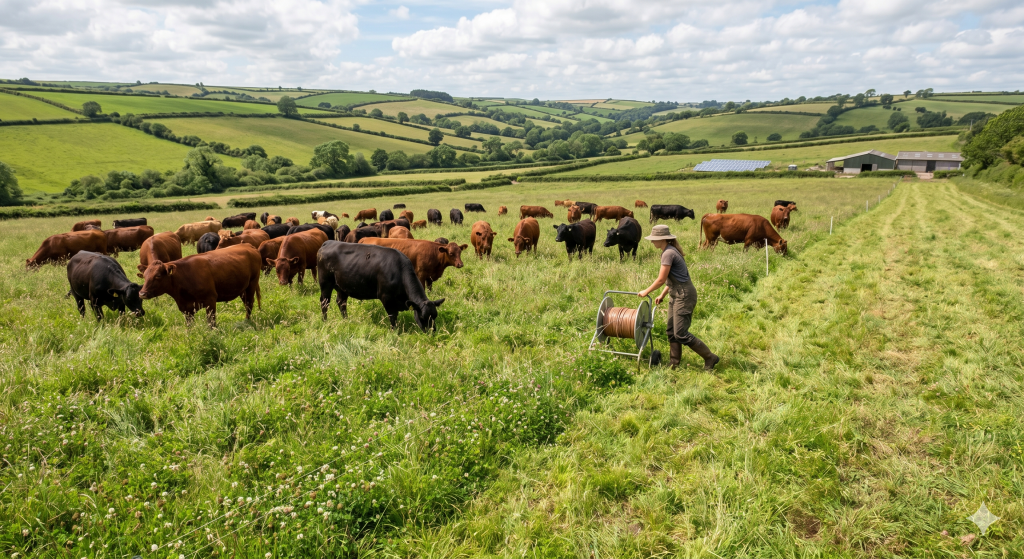
  • Pasture-Raised and Grass-Fed: Sourcing meat from animals raised in pastures rather than in confinement can align better with environmental goals. This practice, often linked to regenerative agriculture, can help improve soil health and sequester carbon.
  • Zero-Waste Facilities: Striving for production facilities with zero-waste footprints, where wastewater and production byproducts are managed responsibly without on-site disposal.
  • Eco-Friendly Packaging: Opting for recyclable boxes and BPA-free resealable bags, ideally produced in zero-waste facilities, to reduce packaging waste.

Sustainable Farming and Packaging Expertise

SimplyMeats leads with a mission to redefine food production through technology and sustainability, ensuring global access to responsibly sourced products that minimize environmental impact.

Simplymeats combines innovative technology and eco-friendly practices to deliver quality food products with a commitment to reducing environmental impact by working with only contracted companies dedicated to our needs and client’s request for ecofriendly practices.

Based on our corporate business models on utilization of innovative technology and eco-friendly practices, we deliver quality food products while committing to reduced environmental impact of Carbon Footprint and Co2 Emissions, by leveraging these two pillars:

Innovative Technology for Quality and Efficiency

With the current age of technology, it is our objective to ensure product excellence and operational streamlining from our Contractors, Employees and Co-packers so we encourage and assist by providing procedure information on Buyers and Supply Chain requirements on utilization of:

  • Advanced Processing and Precision: Using state-of-the-art meat processing plants equipped with technology that allows for precise portion control, consistent weight, and specified aging times for meat products. This guarantees reliability for customers like restaurants and supermarkets. For example, providing steaks that are consistently aged for a minimum number of days to meet quality specifications.
  • specialized functional foods for different nutritional needs. Labeling Product Packages with ingredients and source information.
  • Quality Assurance (QA) Processes: Utilizing robust QA protocols to test products for safety, consistency, and adherence to specifications (size, weight, age) at various stages of production. This can include digital tracking systems for inventory and supply chain transparency. Simply Meats

Eco-Friendly Practices for Reduced Environmental Impact

Sustainability efforts focuses on sourcing, resource conservation, and waste reduction:

  • Sustainable and Ethical Sourcing:
    • Pasture-Raised and Grass-Fed: Sourcing meat from animals raised in pastures rather than in confinement can align better with environmental goals. This practice, often linked to regenerative agriculture, can help improve soil health and sequester carbon. The Simple Food Project
    • Sustainable Seafood and Byproducts: Using sustainably sourced ingredients, like wild-caught krill from eco-conscious fisheries with low bycatch, to enhance product nutritional profiles (e.g., in pet food formulations).
    • Ingredient Rotation: Employing ingredient rotation to reduce the strain on specific ecosystems and ensure a diversified, resilient supply chain.
  • Waste Reduction and Resource Efficiency:
    • Whole-Animal Utilization: Minimizing food waste by using more parts of the animal, including organs and other nutritious inclusions that might otherwise be discarded. The Simple Food Project
    • Zero-Waste Facilities: Striving for production facilities with zero-waste footprints, where wastewater and production byproducts are managed responsibly without on-site disposal.
    • Eco-Friendly Packaging: Opting for recyclable boxes and BPA-free resealable bags, ideally produced in zero-waste facilities, to reduce packaging waste.

By marrying these concepts, Simplymeats creates a powerful brand narrative:

  • Better-for-You and Better-for-Planet Products: High-quality, nutritious food made from ingredients that respect the Earth (verified by eco-practices). This includes products with superior nutrient profiles, such as a better Omega-3 to Omega-6 fatty acid ratio, achieved through intentional ingredient choices and advanced formulation.
  • Transparency and Trust: Using technology to provide a clear, trackable supply chain that reinforces the company’s commitment to both quality standards and eco-friendly promises, thereby building customer loyalty.
  • Future-Proofing: Embracing advanced technologies resources for Growth and harvest of sustainable foods.

Sustainable Farming Meets Advanced Traceability

Explore vital data showcasing our commitment to sustainability and global food distribution. Click on New innovation on sustainable food Distribution below.

Carbon Reduction

We work with Farms who have cut carbon emissions by 280 tons through innovative farming techniques.

Global Reach

Our products are sourced from over 95 countries, ensuring fresh and sustainable options worldwide.

Certified Partnerships

Collaborating with 85 certified facilities to maintain top-tier quality and environmental standards.

Innovation Rate

THROUGH NEW GLOBAL FUNDS, we would be Implementing 40 new sustainable packaging solutions annually to reduce waste and improve efficiency.

Insights

When we think about saving the planet, we often picture electric cars, solar panels, and banning plastic straws. But one of the most powerful tools for building a greener world is right under our feet—literally.
The way we grow our food has a massive impact on the Earth. While industrial agriculture has been great at pumping out high yields, it has also come at a heavy cost to our soil, water, and climate. Sustainable farming is the pivot we need, shifting agriculture from a leading cause of environmental degradation to a primary solution.
Here is why sustainable farming is absolutely non-negotiable for a greener future.
1. Healing and Protecting the Soil
Industrial farming treats soil like a sterile holding tank for crops, pumping it full of synthetic fertilizers and blasting it with pesticides. Sustainable farming, however, treats soil as a living, breathing ecosystem.
Regenerative Practices: Techniques like cover cropping, rotational grazing, and no-till farming restore organic matter to the soil.
Erosion Prevention: Deep root systems from diverse crops hold the soil in place, preventing precious topsoil from washing away in heavy rains or blowing away in droughts.
The Dirt on Soil: Healthy soil isn’t just dirt; it’s a thriving community of microbes, fungi, and earthworms that naturally filter water and recycle nutrients.
2. Turning Carbon Sources into Carbon Sinks
Global agriculture is a major contributor to greenhouse gas emissions. However, sustainable farming has the unique ability to turn farms into carbon sinks—systems that absorb more carbon than they release.
Carbon Sequestration: Plants pull carbon dioxide ($CO_2$) out of the atmosphere through photosynthesis and pump it into the soil through their roots. Sustainable methods ensure that carbon stays locked underground.
Reduced Fossil Fuel Reliance: By skipping synthetic fertilizers (which are highly energy-intensive to manufacture), sustainable farms drastically cut down their carbon footprint.
3. Safeguarding Our Water Supplies
Conventional farming is a thirsty business, and its chemical runoff is a major pollutant. Sustainable agriculture tackles both sides of the water crisis:
Smart Irrigation: Utilizing drip irrigation and rainwater harvesting reduces water waste.
Eliminating Toxic Runoff: Without heavy synthetic chemicals, there is no toxic runoff to leach into groundwater or flow into rivers, which prevents the massive marine “dead zones” caused by algae blooms.
4. Bringing Back Biodiversity
Monoculture—growing vast fields of a single crop like corn or soy—creates an ecological desert. Sustainable farming thrives on diversity.
Polyculture and Crop Rotation: Planting a variety of crops disrupts pest cycles naturally, reducing the need for chemical interventions.
Inviting the “Good Guys”: By maintaining natural hedgerows and avoiding harsh pesticides, sustainable farms provide safe havens for essential pollinators like bees and butterflies, as well as natural predators like birds and ladybugs.
Quick Glance: Conventional vs. Sustainable
Feature
Conventional Agriculture
Sustainable Agriculture
Crop Variety
Monoculture (single crop)
Polyculture & Crop Rotation
Soil Health
Depleted; reliant on chemicals
Regenerated; rich in organic matter
Water Impact
High consumption & chemical runoff
Conserved water & clean runoff
Climate Role
Major greenhouse gas emitter
Carbon-sequestering solution
Ultimately, sustainable farming isn’t about looking backward to primitive methods; it’s about looking forward. It combines modern ecological science with traditional wisdom to ensure we can feed the global population without bankrupting our planet’s natural resources.
Are you interested in how sustainable farming impacts the food we buy at the grocery store, or is there a specific practice—like vertical farming or agroforestry—you’d like to explore further?

OUR UPCOMING PROJECT

Experience Sustainable Innovation and Real Impact

Discover how SimplyMeats WOULD leverage technology and sustainability to revolutionize food production and distribution globally.

Sustainable Farming Partnerships

Collaborating with certified farms ensures ethical sourcing, preserving ecosystems while delivering premium quality products.

Advanced Traceability Systems

Utilizing cutting-edge tracking technology guarantees product transparency, safety, and consumer confidence worldwide.

Eco-Friendly Packaging Solutions

Innovative packaging reduces waste and carbon emissions, supporting a cleaner environment and responsible consumption.

This paragraph serves as an introduction to your blog post. Begin by discussing the primary theme or topic that you plan to cover, ensuring it captures the reader’s interest from the very first sentence. Share a brief overview that highlights why this topic is important and how it can provide value. Use this space to set the tone for the rest of the article, preparing readers for the journey ahead. Keep your language approachable, yet informative, to create a strong connection.

Sometimes, the simplest moments hold the deepest wisdom. Let your thoughts settle, and clarity will find you. Use this quote space to share something inspirational or reflective, perfectly aligned with the theme of your article.

This paragraph dives deeper into the topic introduced earlier, expanding on the main idea with examples, analysis, or additional context. Use this section to elaborate on specific points, ensuring that each sentence builds on the last to maintain a cohesive flow. You can include data, anecdotes, or expert opinions to reinforce your claims. Keep your language concise but descriptive enough to keep readers engaged. This is where the substance of your article begins to take shape.


As you move toward the midpoint of the article, this paragraph provides an opportunity to connect earlier ideas with new insights. Use this space to present alternative perspectives or address potential questions readers might have. Strike a balance between depth and readability, ensuring the information remains digestible. This section can also serve as a transition to the closing points, maintaining momentum as you steer the discussion to its final stages.

Wrapping Up with Key Insights

In this concluding paragraph, summarize the key takeaways from your article, reinforcing the most important ideas discussed. Encourage readers to reflect on the insights shared, or offer actionable advice they can apply in their own lives. This is your chance to leave a lasting impression, so make sure your closing thoughts are impactful and memorable. A strong conclusion not only ties the article together but also inspires readers to engage further.


Leave a Reply

Your email address will not be published. Required fields are marked *